





How can I use telehealth for dental care?
Teledentistry uses video visits, photos, and other technology to help you get some dental care without traveling to a dental office.
What is teledentistry?
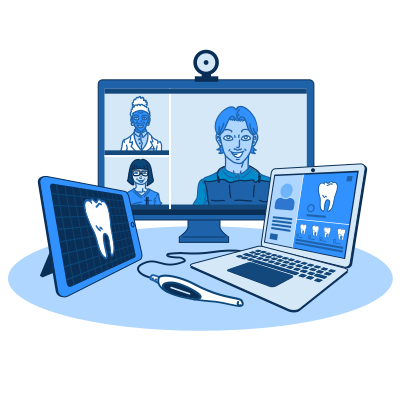
Dental care delivered through telehealth is often called teledentistry. You may meet with a dentist during a video visit. You and your dental care team may also share photos, videos, X-rays, or other dental records so a dentist can review them.
A teledentistry visit can help your dentist understand your concerns, give you guidance, check your progress, and decide whether you need an in-person visit. It does not replace every dental visit. Hands-on procedures must be done in person.
Ask your dental office whether telehealth is right for you.
Did you know?
Some teledentistry visits happen in mobile dental clinics that travel to community locations. A dental professional may collect information for a dentist to review remotely. The dentist can then recommend next steps or an in-person visit.
What dental care can I get through telehealth?
Teledentistry may be used for:
- Initial assessments and screenings. You can show the dental team your teeth, gums, or another area of concern during a video visit or in photos. Your dentist can identify what care you may need and whether you need an in-person appointment.
- Urgent dental concerns. You can talk about tooth pain, swelling, a damaged tooth, or any other problems. Your dentist can assess your symptoms and advise you on next steps.
- Follow-up care. Your dentist may use a telehealth visit to check on your recovery after a procedure, discuss symptoms, and answer questions.
- Treatment planning and specialist consultations. Your dentist can review your dental records and x-rays, discuss treatment options, or connect you with a specialist.
- Prevention and education. You can get guidance about brushing, flossing, eating habits, and other ways to protect your oral health.
How does a teledentistry visit work?
Your dental office will tell you whether the visit will use video or whether you should send photos or other records for your dentist to review. Your dentist will review the information, ask questions, and tell you whether you need an in-person visit.
What are the benefits of using telehealth for dental care?
Teledentistry may offer benefits that make some dental care services more accessible and convenient. This includes:
- Access to oral health care. If you live in a rural area or a community with few dental providers, teledentistry may help you connect with a dentist or specialist who is not nearby.
- Convenience. You can have a consultation or follow-up visit from home, work, or school, which may reduce travel time and costs.
- Timely guidance. Teledentistry allows your provider to assess a problem quickly and guide you on what to do next, reducing delays in care.
- Ongoing follow-up. Between in-person visits, your provider can use telehealth to monitor your treatment and adjust your care when needed.
How do I prepare for a teledentistry visit?
Here are some tips to help you get ready for your teledentistry appointment:
- Check the visit details. Ask whether your appointment will use video, phone, or secure messages.
- Test your technology. For a video visit, make sure your phone, tablet, or computer has a working camera, microphone, and internet connection. Practice positioning the camera and lighting to ensure your dental provider can clearly see your teeth and gums.
- Have a mirror ready. A small hand mirror can help you position your camera so your dentist can see inside your mouth.
- Gather your information. Have an updated list of your current medications and recent dental x-rays and records. Write down your questions, symptoms, and concerns in advance.
- Take photos if asked. Your provider may ask you to take photographs of your teeth or a problem area before or during the visit. Use your phone in a well-lit, private space and follow any instructions your dentist provides.
Tip: Before your telehealth visit, brush and floss your teeth if you can do so comfortably. This way, your provider will have a clear view of your mouth during the video call.
More information:
Delivering dental care in rural schools using telehealth — Health Resources and Services Administration
How can I use telehealth if I live in a rural community? — Health Resources and Services Administration
What are different types of telehealth? — Health Resources and Services Administration
What can be treated through telehealth? — Health Resources and Services Administration
What should I know before my telehealth visit? — Health Resources and Services Administration