





Using telehospitalists to support rural hospital care
Learn how a telehospitalist program is helping small, rural South Carolina hospitals keep patients in their communities.
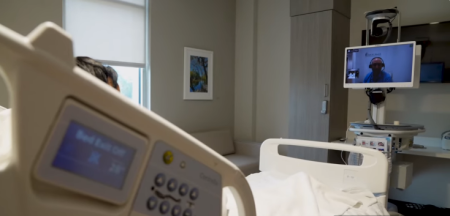
Rural hospitals may have low patient volumes and staffing shortages, challenges that can increase their risk of closure. A telehospitalist is a clinician who specializes in inpatient care and uses telehealth to support onsite providers. Telehospitalists can help rural hospitals improve access to specialty care and expand capacity.
The Medical University of South Carolina (MUSC) developed the telehospitalist program to help small, rural hospitals across the state. Onsite care teams may include advanced practice providers, nurses, emergency physicians, and other clinicians. Through telehealth, these teams connect with telehospitalists who can review records, consult on patients, participate in patient rounds, respond to changes in a patient’s status, and support discharge planning. Through its HRSA-supported Telehealth Center of Excellence, MUSC evaluates the program.
A telehospitalist is a clinician who specializes in inpatient care and uses telehealth to support onsite providers.
Telehospitalists can help rural hospitals improve access and expand capacity.
At one participating rural hospital, annual admissions increased while patient transfers and readmissions decreased. At another site, telehospitalists were incorporated into inpatient care of a new rural hospital that opened after two nearby hospitals closed, helping support continued access to care in the community.
An important part of launching a telehospitalist program is securing trust. MUSC works with primary care providers to explain that telehospitalists support, not replace, the care provided by the local clinician.
MUSC has expanded the telehospitalist program to five hospital sites, expanding access and supporting rural hospitals.