


Using remote patient monitoring to help manage COPD
A nurse-led program uses home monitoring to help people with chronic obstructive pulmonary disease (COPD) spot problems early and take control of their health.
COPD is a lung disease that makes it hard to breathe. People with COPD need ongoing care. When symptoms get worse, they may need to go to the emergency room or stay in the hospital.
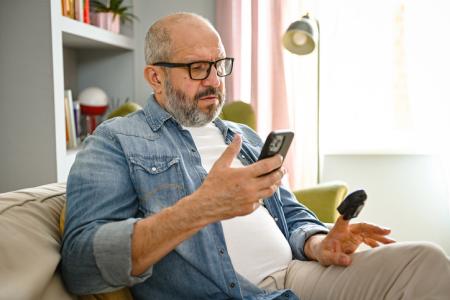
Through the HRSA-funded Rural Health Care Coordination Program, Avera Health supports a program to help people in rural communities manage their COPD at home. It is called the C-Airs Remote Patient Monitoring (RPM) Network Program. The goal is to help patients manage symptoms early and avoid hospital stays when possible. Patients get devices to track their health at home. The team teaches them about COPD and how to use the devices to send their readings.
Each day, patients send in their vital signs and answer questions about how they feel. If a reading or symptom is outside the normal range, a nurse reaches out. The nurse helps the patient better manage their symptoms. The team also helps patients with their medicines and appointments. Each patient has a regular video visit with a respiratory therapist, an expert in breathing care. Patients remain in the RPM program until they are comfortable recognizing their symptoms and confident in the steps they can take. Most patients stay in the program for about 90 days.
Patients remain in the RPM program until they are comfortable recognizing their symptoms and confident in the steps they can take.
The program started small and has grown. As it grew, the team changed how it works so it could serve more patients. One team member said, “Building processes that are as effective for five patients as they are for 500 patients is the most significant lesson we’ve learned.” For example, the nurses updated how they use electronic health records to keep track of care. A patient’s record now shows if their doctor has been told that the patient joined the program.
The RPM program has been well received by patients.
The RPM program has been well received by patients. Patients report that it is reassuring to know someone is monitoring them.