





Getting started: Using telehealth to prevent and manage chronic conditions
Telehealth can be used to improve the health and wellness of all Americans through the prevention, treatment, and management of a wide range of chronic conditions.
On this page:
How is telehealth used for chronic disease prevention?
Telehealth plays an increasingly important role in preventing chronic diseases. Providers can use telehealth to enhance outcomes, engage patients, and encourage healthy behavior. Telehealth also increases patient access to disease prevention services. Virtual technology can be used to successfully manage health risks, improve access to early interventions, support patient education, and monitor risk factors. This is especially important for individuals who are at high risk of chronic disease. Using both synchronous and asynchronous technology for telehealth, health care professionals can support disease prevention in many ways, including:
- Risk screenings and assessments. You can track and discuss risk factors associated with developing chronic diseases. Hemoglobin A1c, cholesterol levels, blood pressure, and other health data can be monitored using telehealth.
- Providing routine medical care. Telehealth is convenient and may be used for regular check-ups to track health status. This is especially important in communities facing health professional shortages.
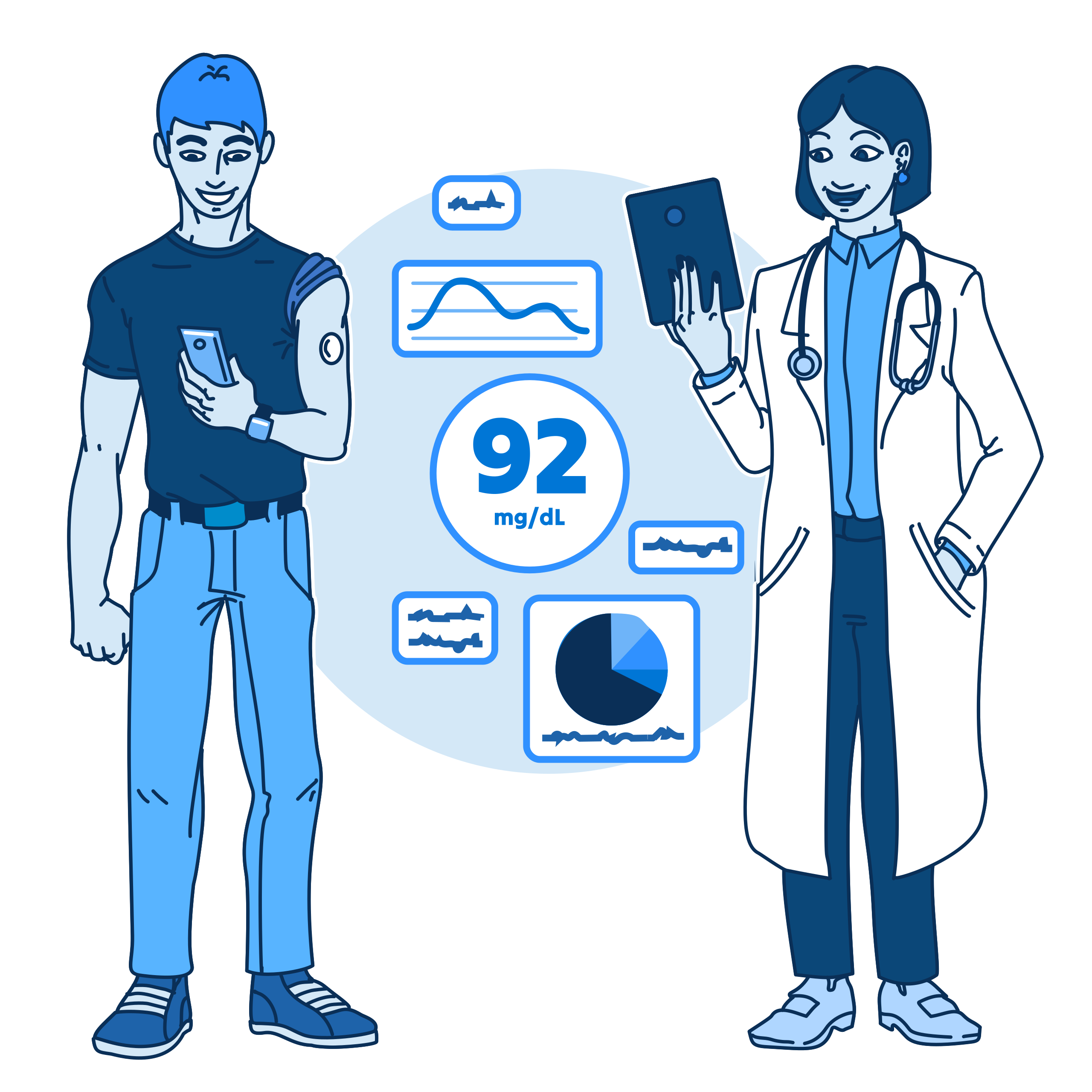
- Remote monitoring. Digital devices, such as wearables, can remotely track physical conditions. Blood pressure, blood sugar, weight, and activity data from these devices can be used to counsel patients about their health.
- Encouraging behavior change. Mobile apps, wearables, and other digital tools can be used to monitor and promote healthy diet and exercise, quit smoking, and adopt other healthy habits.
- Patient engagement. Providers can use telehealth to empower patients by teaching them how to track their personal health data.
- Health education and coaching. Providers can educate patients about nutrition and exercise using telehealth.
- Educating and coaching on health and wellness. Providers can use technology to inform patients about healthy lifestyle factors that can decrease their risk of developing chronic diseases. Examples include education on the importance of nutrition and exercise.
- Lab and test results monitoring. Blood work and other medical test results can be viewed online. Patients can also receive reminders of exams and preventive visits.
- Engaging families and caregivers. Providers can remotely support patients and caregivers to manage their health. This includes supporting medication management, providing guidance on healthy food choices, promoting regular health screenings, and reminding patients to schedule annual visits.
How is telehealth used for chronic disease management?
Chronic diseases are the leading cause of serious illness and death. Individuals with chronic disease can use technology to better manage their conditions and prevent adverse events. Health care professionals can support chronic disease management in many ways, including:
- Virtual visits with specialists. Telehealth allows patients to have an appointment with specialists who may not be located near them.
- Disease monitoring. Remote patient monitoring and digital tools can help track health data. Providers and patients can receive alerts when data is out of range, preventing adverse events. For example, hyperglycemia, heart rate abnormalities, asthmatic episodes, and other events can be monitored using telehealth tools.
- Medication management. Virtual meetings can be used to track, review, and adjust medications. Telehealth also provides tools for tracking medication compliance. These tools can send reminders to take medications and alert when refills are needed.
- Care coordination. Telehealth can be used to connect providers and enhance disease management. This is especially important for patients with multiple or complex chronic conditions.
- Behavioral health integration. Online counseling and virtual tools such as mobile apps help patients monitor factors that affect their mental health.
What are the benefits of using telehealth for chronic disease prevention and management?
There are a number of benefits of using telehealth technology to support the prevention and management of chronic disease. Key benefits include:
- Improved health monitoring. Telehealth enables providers to track heath data. It facilitates the ongoing assessment of symptoms, vital signs, and treatment progress with virtual check-ins and remote monitoring devices. This is important for risk factor monitoring, risk prevention, and management of multiple health conditions. For example, telehealth facilitates remote monitoring of indicators that may lead to or exacerbate chronic disease.
- Coordinating care. Telehealth supports care coordination by allowing providers to communicate and collaborate in a HIPAA-compliant manner. This ensures that patients receive consistent and well-managed treatment. Telehealth supports specialty consultations, medication management, and integrated care models that expand whole-person care.
- Enhanced health outcomes. Telehealth helps prevent adverse events, supports timely care, and prevents harm by tracking potential adverse side effects or contraindications.
- Increased access for rural communities. Telehealth removes barriers, which expands opportunities for individuals to receive timely care. These barriers may include provider shortages, transportation challenges, and mobility issues.
- Empowered patients. Telehealth can be used to educate patients to understand their health data and engage them in staying healthy. Telehealth is convenient for patients and reduces the need for unnecessary travel.
What types of chronic conditions can be supported using telehealth?
Many health conditions may be effectively managed using telehealth:
- Metabolic health conditions, such as diabetes and high cholesterol
- Cardiovascular health conditions, such as high blood pressure and high cholesterol
- Respiratory conditions, such as asthma and chronic obstructive pulmonary disease
- Behavioral health conditions, such as depression, anxiety and substance use disorders
- Musculoskeletal conditions like arthritis and chronic pain
- Neurological wellbeing, such as migraine management and cognitive health care
- Gastrointestinal issues like Crohn’s disease and reflux
- Autoimmune diseases, such as rheumatoid arthritis and multiple sclerosis
- Infectious diseases, such as HIV
- Oncologic disease management
More information:
Telehealth and remote patient monitoring — Health Resources and Services Administration
Telehealth and cancer care — Health Resources and Services Administration
Telehealth for behavioral health care — Health Resources and Services Administration
Telehealth for diabetes management — Health Resources and Services Administration
Telehealth for HIV care — Health Resources and Services Administration
Telehealth Interventions to Improve Chronic Disease — Centers for Disease Control and Prevention