





Engaging patients in telehealth for chronic disease prevention and management
Many individuals use telehealth for their chronic disease care and overall use of telehealth for chronic disease prevention is increasing rapidly.
On this page:
Introducing patients to telehealth
Patients vary in how comfortable or familiar they are with telehealth. A good first step when introducing a patient to telehealth is to describe the different types of technology. It is important that they understand how each one - used on its own or with other technologies - can be used to prevent or manage chronic disease. Telehealth technologies you may want to share with your patients are:

Virtual visits. This can help patients receive real-time access to a health care provider to manage or prevent chronic diseases. The benefits of using video visits for patients include reduced travel, increased convenience, and enhanced care timeliness.

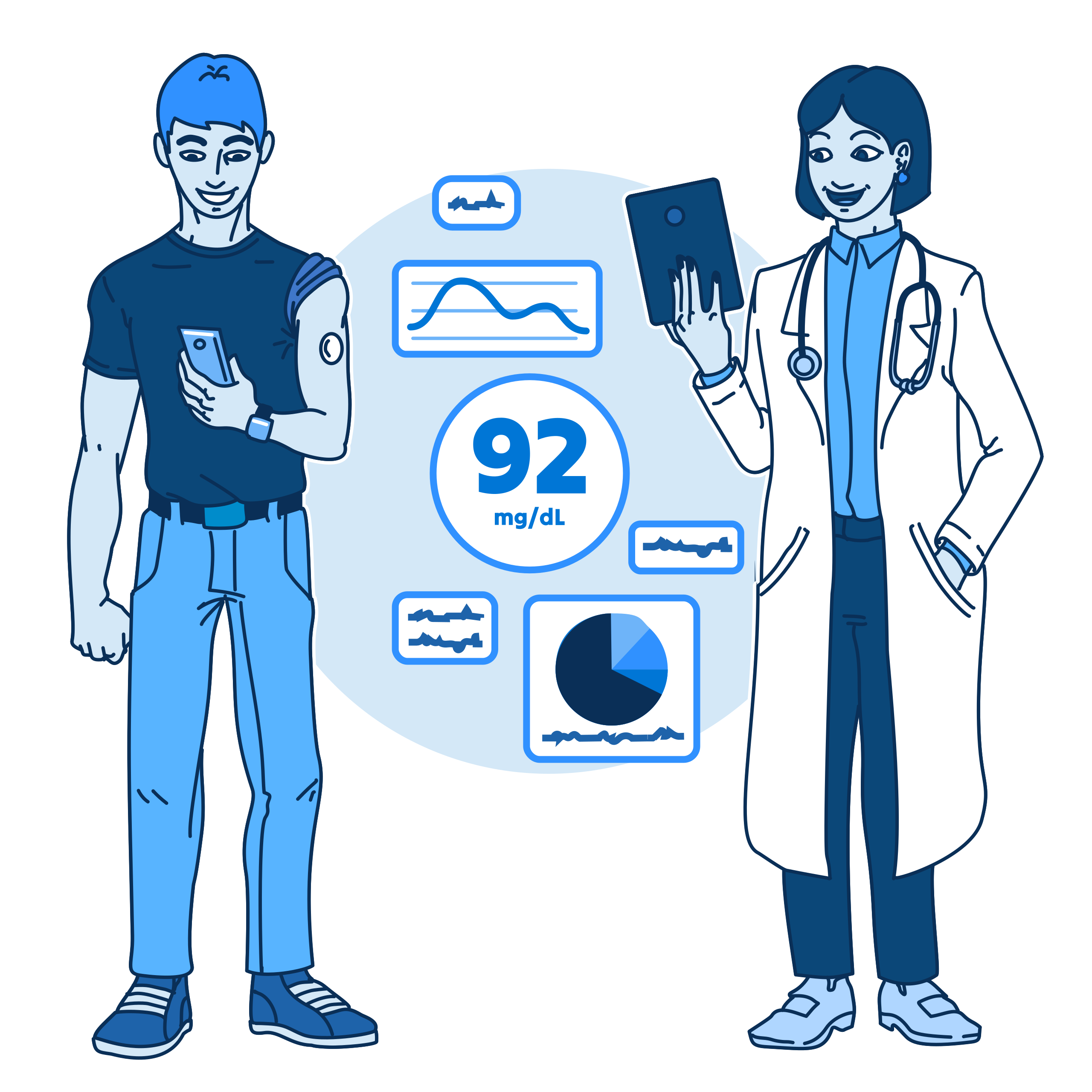
Remote patient monitoring. Digital devices, including wearables, enable patients to track and send the health information they collect to their provider. There are several benefits of remote monitoring of chronic diseases. Patients benefit from continuous tracking of key information, regular feedback on important health data, and ability to send real-time information to the provider between visits.

Patient-facing tools. Educational resources and guidance can be accessed via mobile apps or a patient portal for managing or preventing chronic diseases. Benefits include empowering patients to understand risk factors and educating them on how to live a healthier lifestyle.

Reminders. Messages can be automatically generated to help prevent and manage chronic conditions. The benefits of these tools for patients include improved medication compliance and timely reminders to schedule visits.

Virtual consultations. Remote communication and coordination allow members of the care team to work together and with specialty consultants in a HIPAA compliant manner. The benefits of virtual consultations for chronic disease management include enhanced disease management, increased family and caregiver participation in care, increased information sharing with other members of the care team, as well as improved coordinated care planning.
Tip: Connect your patients to financial resources if needed so they can use digital devices, such as wearables.
Assessing readiness
It is important to assess a patient’s readiness to use telehealth so care can be tailored. Patients’ comfort level, technology access, and ability to manage their health effectively from home are important factors. Key considerations include:
- Technology access. Does the patient have a smartphone, computer, or tablet? Is there reliable internet access?
- Technology experience. Does the patient feel confident using technology? Is the patient comfortable uploading health information from a device and joining a virtual visit? Does the patient know how to use advanced features like downloading a mobile app?
- Health literacy. Does the patient understand their health risk factors? Can they understand and follow their care plan remotely?
- Motivation. Is the patient willing to use telehealth tools? Do they understand the value of technology such as remote patient monitoring devices?
Ensuring patient engagement and participation
Patient involvement and motivation are essential. Patients must understand the value of telehealth in the prevention and management of chronic conditions. They must also recognize their role and feel empowered to effectively use the technology. Patients should:
- Understand the different ways telehealth can be used to prevent disease and manage their health
- Recognize that telehealth is a valuable part of their care plan
- Have confidence that they can use the technology consistently and correctly
- Be motivated to use the technology to support their health such as ongoing use of remote monitoring devices
- Actively participate in their health care by communicating with their care team clinical guidance
Tip: To ensure that patients can effectively use telehealth resources to support chronic disease prevention and management, virtual care should be personalized based on the patient’s clinical needs, available resources, comfort with telehealth technology, and personal preferences.
More information:
Preparing patients for remote patient monitoring — Health Resources and Services Administration
Preparing patients for telehealth — Health Resources and Services Administration
Telehealth for the prevention and management of chronic diseases (PDF) — Health Resources and Services Administration
Telehealth: What to know for your family — Centers for Medicare and Medicaid Services