





Developing a strategy for using telehealth for chronic disease prevention and management
Learn key considerations to develop a strategic plan to incorporate telehealth in chronic disease prevention and management.
On this page:
Types of telehealth technology that can be used for chronic disease prevention and management
Providers are increasingly using telehealth for chronic disease prevention and management. A wide range of virtual technologies are used to support the prevention and management of chronic diseases. These technologies help individuals monitor their health and make lifestyle changes.
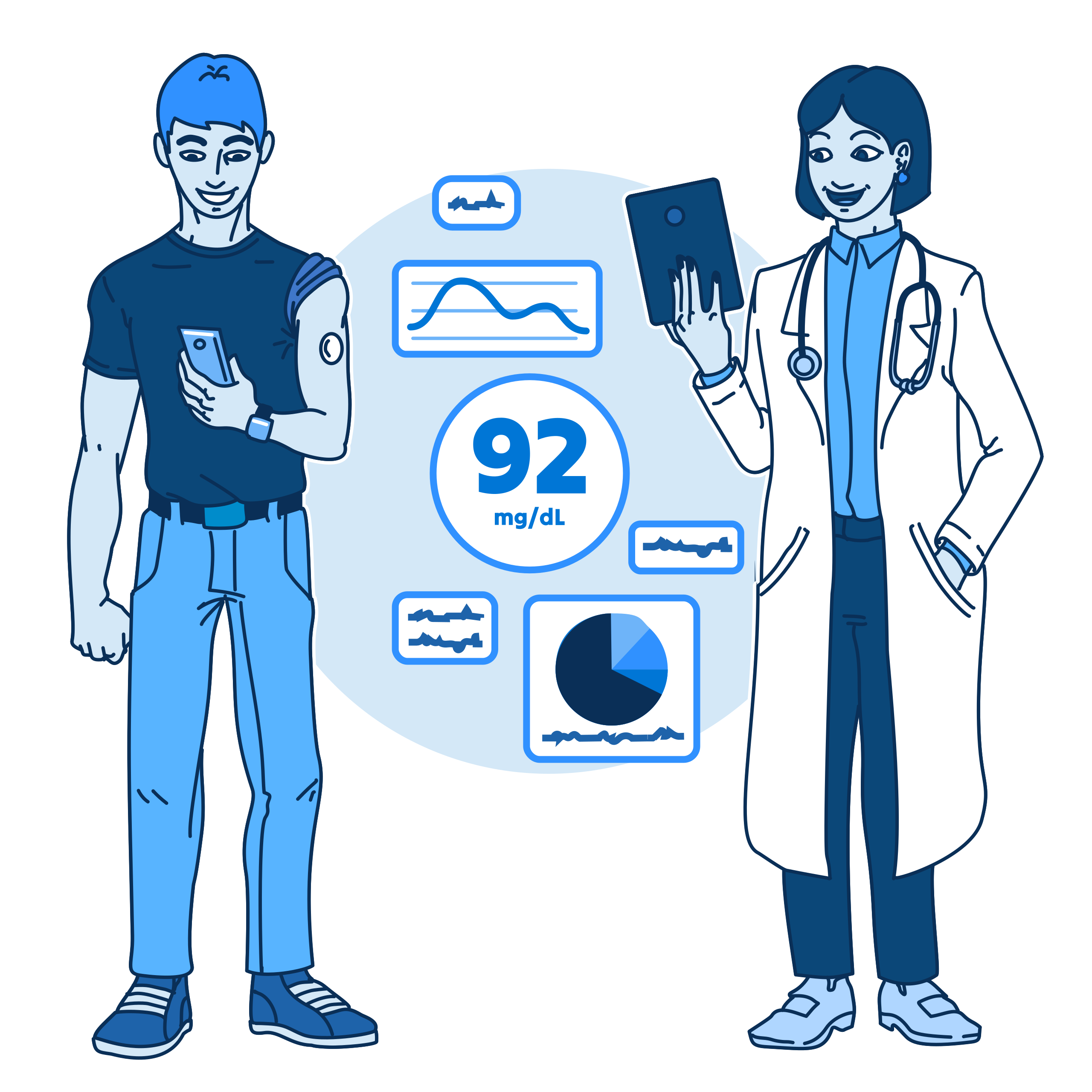
- Remote monitoring devices. Digital devices help prevent and manage chronic disease by tracking key health indicators. This enables providers and patients to detect issues early and adjust treatment plans in real time. Examples of remote patient monitoring devices used for chronic disease prevention and management include wearable devices, blood pressure monitors, glucometers, pulse oximeters, and digital scales.
- Mobile health (mHealth) apps. Patients can use smartphones to help track and document information to support a healthy lifestyle. mHealth apps are useful for promoting healthy behaviors, preventing diseases, and managing physical and mental wellbeing. This includes apps to track physical activity, nutrition and diet, and health data. mHealth apps can also be used for medication reminders, health education, and mental health monitoring.
- Patient portals. Asynchronous information sharing allows patients to view their personal health information, securely communicate with their provider, track medications, order refills, and access educational resources.
- Virtual visits. Telehealth platforms can support synchronous care. Telehealth can be used to prevent or manage chronic disease through virtual appointments such as live video visits with patient, family, and group sessions. Provider-to-provider consultations can also be conducted virtually.
Tip: Artificial intelligence (AI) is a useful resource to optimize the use of available information. AI is being used more and more to enhance patient care. AI and telehealth can be used together for risk prediction, data analysis, chatbots, and personalized care plans.
Integrating telehealth with in-person care for chronic disease prevention and management
Telehealth can be combined with in-person care. This is often referred to as hybrid care, and can be used for the prevention and management of chronic diseases. Hybrid care minimizes a patient’s travel burden and increases convenience. Examples of telehealth used as part of hybrid care include:
- Routine monitoring of patient vital signs. Remote monitoring involves analyzing data that is entered or submitted by the patient. This information can be used to educate the patient and enhance the provider’s knowledge of the patient’s health status. Routine monitoring can help prevent unnecessary appointments and enhance early detection.
- Data sharing between visits. Telehealth is an efficient way to manage health and well-being. Patients can send information in between visits. This way, the provider can adjust care plans without needing to schedule an appointment.
- Care coordination. Telehealth supports continuity of care. Providers may confer virtually with a specialist and deliver hands-on care to a patient at the same time.
Staffing support
When using telehealth to prevent or treat chronic disease, it is important to ensure that all members of the health care team are prepared and that they have the resources they need to deliver high-quality care. Staffing considerations include:
- Do you have sufficient staff to support the use of telehealth? For example, is there a dedicated nurse who is responsible for monitoring data from remote patient monitoring devices?
- Do staff have the necessary skills and training to effectively use telehealth for chronic disease prevention and management? For example, do all staff feel comfortable accessing and responding to secure messages sent by patients through the patient portal?
- Are staff experienced and comfortable using telehealth? For example, are all providers experienced in using telehealth and familiar with best practices for conducting a telehealth visit?
Optimizing your telehealth workflow
It is important to ensure that the workflow can effectively and efficiently support chronic disease prevention and management. Key considerations include:
- Is the patient a good candidate for using telehealth? Important considerations should include their health condition(s), reason for the visit, access and familiarity with technology, and clinical needs.
- Do you have a clear protocol for patient triage? This is important for determining which visits are appropriate for telehealth and which ones require an in-person visit.
- How will you coordinate scheduling? Some providers dedicate certain days to delivering care through telehealth and on other days they only offer in-office appointments. Other practices provide a combination of in-person and virtual visits throughout the day.
- How will you address technology issues? For example, before a first virtual visit, is there a dedicated person to help the patient become familiar with the telehealth platform and its features? This may involve teaching patients how to ensure the speaker is on and the volume is at an appropriate level.
- Can information be collected electronically before the visit? Many providers collect and review information ahead of time. This can include electronic versions of routine paperwork or data sent by the patient using a remote monitoring device.
- Is the workflow efficient? Many telehealth platforms use a virtual waiting room or send patients pre-recorded videos for how to use the technology. This ensures that the provider’s time is used efficiently.
Monitoring effectiveness
It is important to monitor the effectiveness of telehealth for prevention and treatment of chronic disease. Here are a few key things to consider:
- Clinical care effectiveness. Health indicators can be used to track how well telehealth care is working to prevent or treat chronic diseases. You can monitor the percent of patients with prediabetes who maintained a healthy weight, reduced cholesterol levels in patients at high risk for heart disease, and reduced blood pressure rates for those with hypertension.
- Patient engagement and satisfaction. It is important that patients feel confident and comfortable using telehealth. You may collect information like the number of telehealth visits for individuals at risk for chronic disease, number of missed appointments, regularity of information sent from remote monitoring devices, and patient experience with telehealth.
- Access and coordination. Telehealth can ensure more timely access to health care for rural communities and improved collaboration across the health care team. Potential measures include the time from initial call to appointment, follow-up rates, and visits completed.
- Care plan compliance. In addition to tracking clinical outcomes, it is important to track how telehealth impacts a patient’s adherence to their care plan. Potential measures include medication compliance rates and success meeting goals set by the patient and their provider.
Tip: Telehealth is a valuable tool for chronic disease prevention and management, but there are some instances when in-person care is required. Telehealth may not be appropriate for some individuals or conditions.
More information:
Asynchronous direct-to-consumer telehealth — Health Resources and Services Administration
Leveraging remote patient monitoring in your practice (PDF) – Health Resources and Services Administration
Planning your telehealth workflow — Health Resources and Services Administration
Synchronous direct-to-consumer telehealth — Health Resources and Services Administration
Telehealth and remote patient monitoring — Health Resources and Services Administration
Using telehealth in hybrid care — Health Resources and Services Administration
Evaluation measures for telehealth programs — Health Resources and Services Administration
Spotlight
The Medical University of South Carolina is scaling up a pilot program using telehealth to prevent chronic obstructive pulmonary disease (COPD) in rural communities. The program uses asynchronous telehealth to provide education and support. Additionally, electronic visits are used to screen for COPD. By offering these services to rural residents, the program seeks to prevent COPD and to diagnose and manage the condition while it is in its early stages.
Learn about the Scale and Evaluate Smoking Cessation and COPD Screening E-Visit project.